

terrencegehler
About terrencegehler
Here, Copy This idea on Buy

The arithmetic here is brutal and worth understanding clearly. A buyer who financed a $400,000 home at three percent in 2021 pays roughly $1,686 per month on principal and interest. That same loan at a seven percent rate costs $2,661. Those numbers explain why the market froze rather than crashed when rates moved higher. Volume collapsed. Prices mostly did not.
 Here is what that creates for someone with solid credit and a real pre-approval in hand: more room to negotiate than the market’s reputation suggests. The panic buyers are gone. The buyers who showed up with desperation instead of preparation have mostly sat back down. What remains is a more functional market, even if it is not a cheap one.
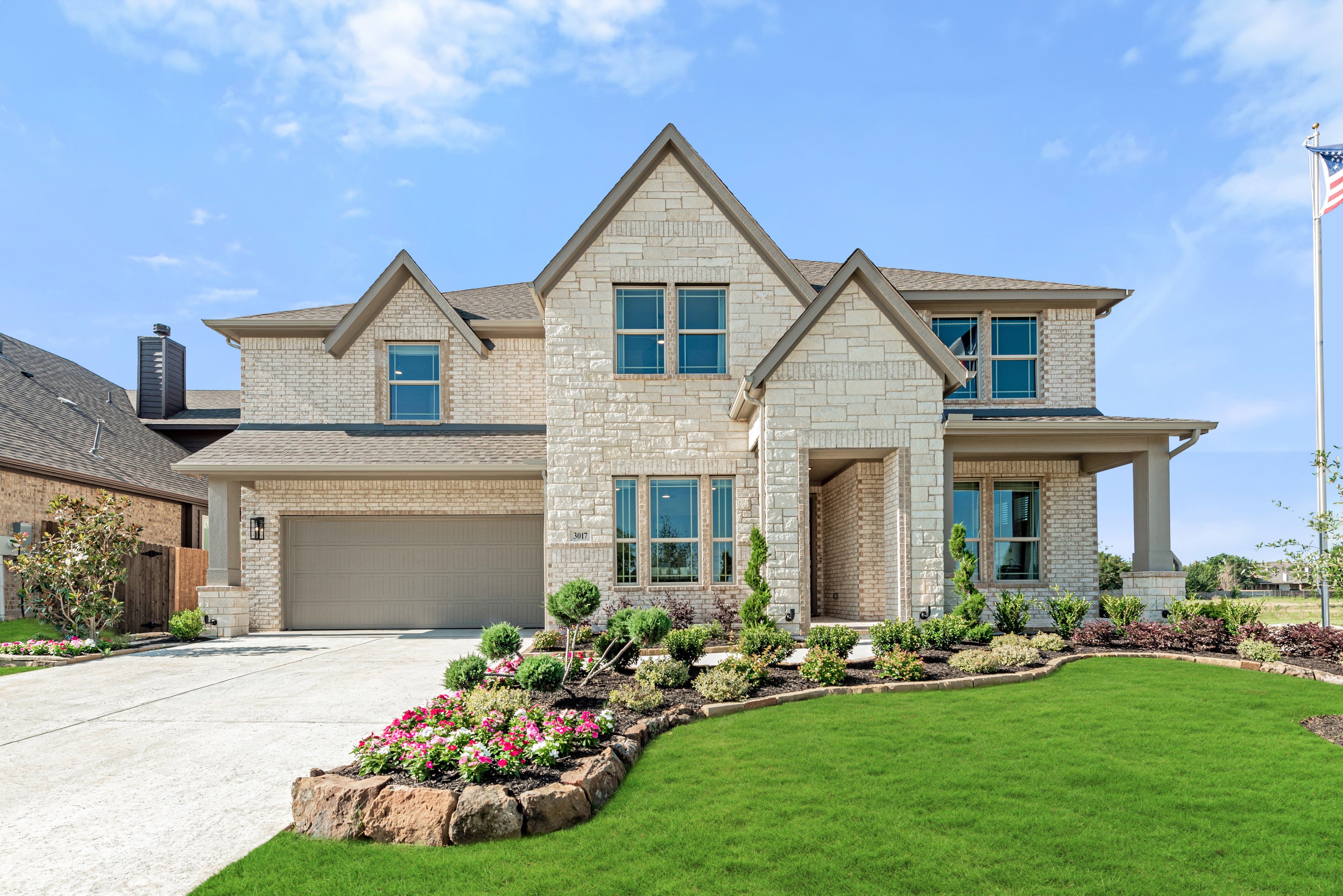 Your credit score affects your rate more directly than most buyers realize. A score of 760 or above typically qualifies for the best rate tier most lenders offer. If your score has room to improve, talk to your loan officer about specific steps to raise it before you apply formally.
) If the report surfaces problems that go well beyond normal wear and tear, you have three options, not one, and walking away is a legitimate one of them. You can request a credit against the purchase price to handle repairs yourself. Signing off on a failing roof or a bad HVAC system is not the same house you made an offer on.
If the report surfaces problems that go well beyond normal wear and tear, you have three options, not one, and walking away is a legitimate one of them. You can request a credit against the purchase price to handle repairs yourself. Signing off on a failing roof or a bad HVAC system is not the same house you made an offer on.
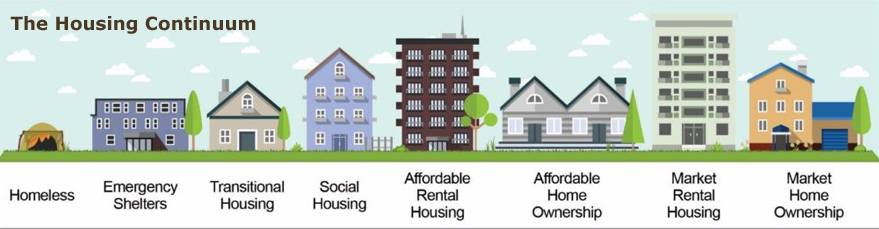 Price matters, but terms matter too. A longer closing window, a shorter inspection period, a larger earnest money deposit, or willingness to do a rent-back period can all tip a deal in your favor without you spending an extra dollar on the purchase price.
 For buyers with the financial cushion to handle a repair bill without panic, this market is more navigable than the headlines suggest. The homes that are priced correctly for current conditions are still moving. They are moving to buyers who showed up prepared.
 Real estate rewards preparation more than it rewards timing. Nobody consistently calls the top or the bottom of a market, but buyers who show up informed and financially ready close deals in every cycle. Start by browsing current homes for sale and market resources to build a realistic picture of your options.
No listing found.