

pwkleonore5944
About pwkleonore5944
Want To Have A More Appealing Equity? Read This!
 The real estate market does not move in one direction nationwide. It never has. What is happening in Austin is not what is happening in Cleveland. What is true for a three-bedroom in the suburbs of Dallas has almost nothing to do with a two-bedroom in San Francisco. Before you do anything else, narrow your focus to the specific market you are shopping in and stop reading national headlines as if they apply to you personally.
In markets where developers managed to bring inventory to market faster than demand absorbed it, prices have pulled back. Markets that overheated fastest have cooled most noticeably. But those are the exceptions. Most markets are not working from excess; they are working from scarcity.
Hudson is a name you might hear from a lot of agents right now, because the buyers getting deals done tend to treat the purchase like a business transaction rather than an emotional event. That is not a personality trait. It is a preparation habit.
 Shop more than one institution, because the spread in rates and costs is real. A 0.25 percent gap between two lenders’ quotes adds up to real money that most buyers leave on the table by taking the first offer they receive. Lender fees vary too. Ask each lender for a Loan Estimate document, which breaks down all costs in a standardized format.
 The appraisal is the lender’s check, not yours. When the appraisal comes in below contract, the deal does not automatically die, but it does require a decision. Ask your agent whether recent comparable sales support the price you are offering.
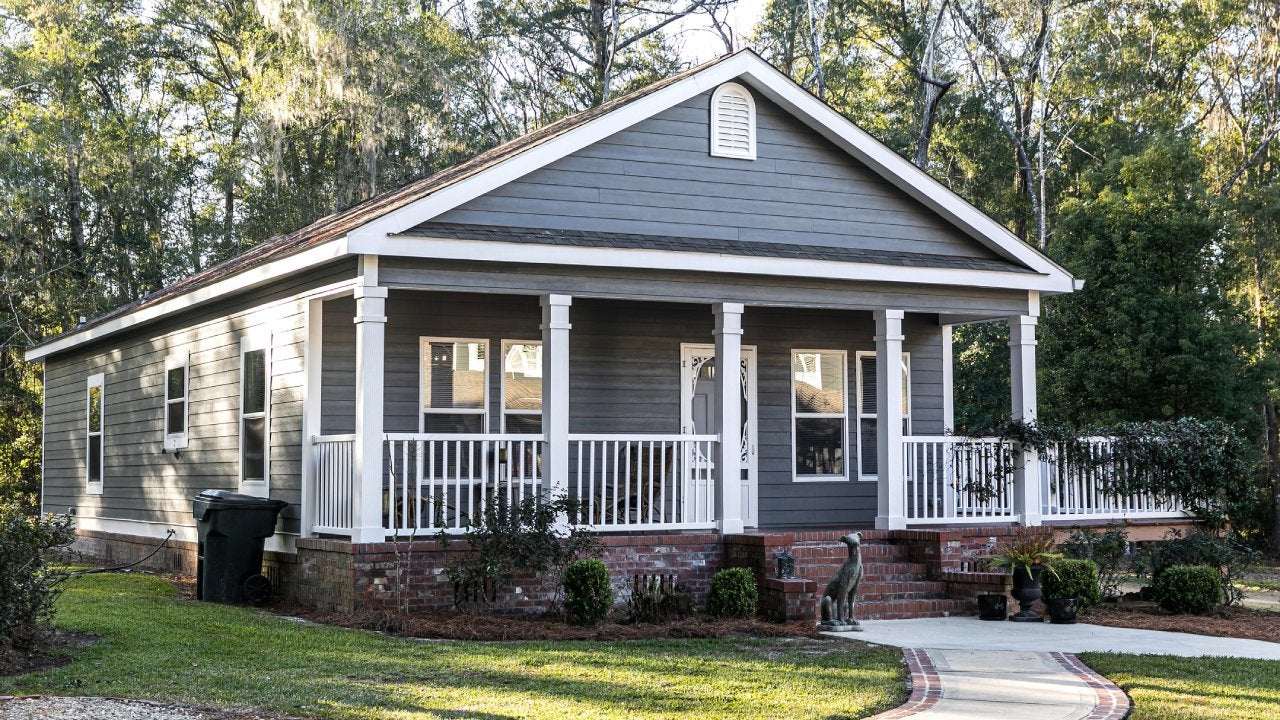 Budget between two and five percent depending on your loan type and the state you are buying in. First-time buyers routinely underestimate this number. Ask your lender for a Loan Estimate before you make any offers, so you can plan your cash position accurately.
 For buyers with a stable income, a down payment of at least ten percent, and a concrete plan to stay in the home for at least five years, this market is workable, even if it is not cheap or easy. The homes that meet real criteria at a realistic price are still moving. They are moving to buyers who showed up prepared.
 Buyers who take the time to research properly tend to find that the market is more navigable than the headlines suggest. Current property listings and market tools at real estate listings and data are worth bookmarking before you make any major moves.
No listing found.