

kaicraven52495
About kaicraven52495
A short Course In Apartments
Every few years the housing market rewrites the rules, and buyers who learned the last set of rules show up unprepared for the new ones. Right now, the rules have changed more than they have at any point in a generation. The buyers who understand that are finding deals. The ones who do not are making expensive mistakes.
The arithmetic here is brutal and worth understanding clearly. A buyer who financed a $400,000 home at three percent in 2021 pays roughly $1,686 per month on principal and interest. That same loan at a seven percent rate costs $2,661. The difference between those two payments explains why so many potential sellers are sitting tight. Volume collapsed. Prices mostly did not.
 Affordability, by the standard measure of what share of median household income goes toward the monthly payment on a median-priced home, is near its worst level since the early 1980s. That is a real problem, and it is not going away quickly. But affordability being stretched does not mean prices are about to fall sharply. What it means, practically, is that fewer people can compete for each property.
 Your credit score affects your rate more directly than most buyers realize. The difference between a 680 score and a 760 score can mean a half-point or more in rate. If your score has room to improve, give yourself three to six months to work on it before you begin in earnest.
 If the report surfaces findings that change the financial picture of the deal, you have real choices, and walking away is a legitimate one of them. You can request a credit against the purchase price to handle repairs yourself. Signing off on a failing roof or a bad HVAC system is not the same house you made an offer on.
 The offer price is one variable among several. A longer closing window, a shorter inspection period, a larger earnest money deposit, or willingness to do a rent-back period can all tip a deal in your favor without you spending an extra dollar on the purchase price.
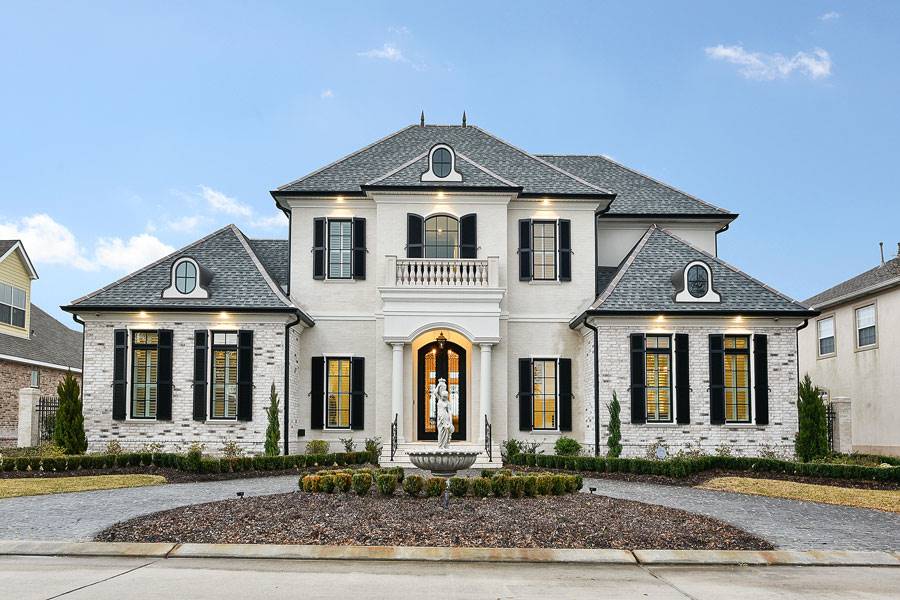 Real estate is illiquid. If there is a reasonable chance you will need to move in two years, renting is the financially rational choice. None of that means do not buy. It means be honest about your time horizon before you commit.
Real estate rewards preparation more than it rewards timing. The market does not wait for the ideal moment, and neither should buyers who have done the work. Start by browsing current homes for sale and market resources to build a realistic picture of your options.
No listing found.